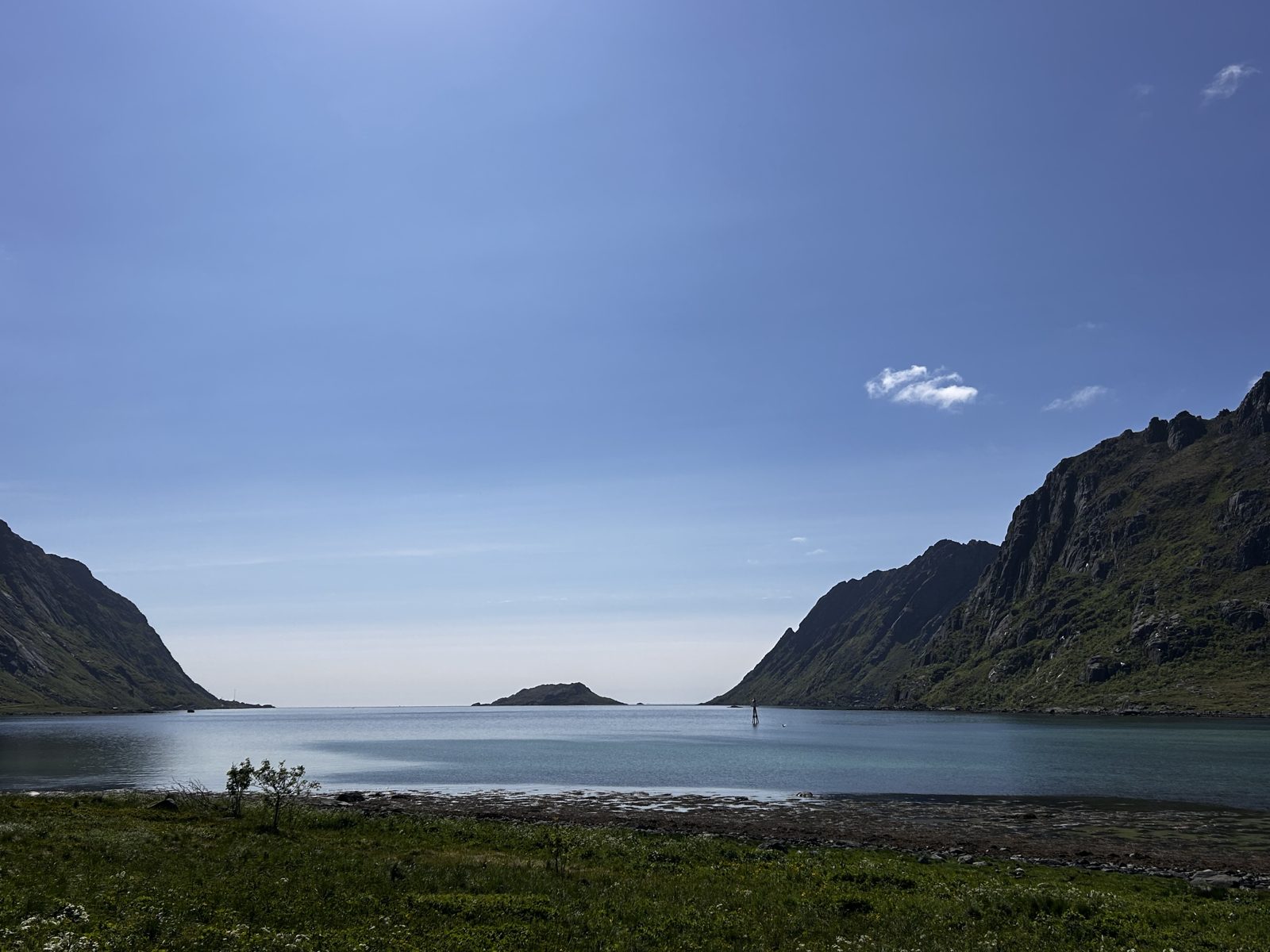
How to Plan a Lofoten Trip, Step by Step — by Local HostsHow to Plan a Lofoten Trip, Step by Step — by Local Hosts
The eight decisions that make a Lofoten trip work, in the right order — starting with the one most people get backwards. By local hosts.The eight decisions that make a Lofoten trip work, in the right order — starting with the one most people get backwards. By local hosts.
Every week we answer planning questions from guests, and they nearly all reduce to the same underlying one: in what order should I make the decisions, so the trip actually works?
Because the order matters more than people expect. Most trips that go wrong here go wrong at the planning stage — flights bought before anyone checked where to sleep, five bases in five nights, a schedule with no room for weather.
This guide is the map of the whole planning process: eight steps, in the order we would do them ourselves. Each step gives you the short version and the reasoning, then links to the full guide on that decision. Start here; go deeper where you need to.
Step 1 — Pick your season (and accept what it gives you)
Lofoten is not a one-season destination with an off-season. It is four genuinely different trips:
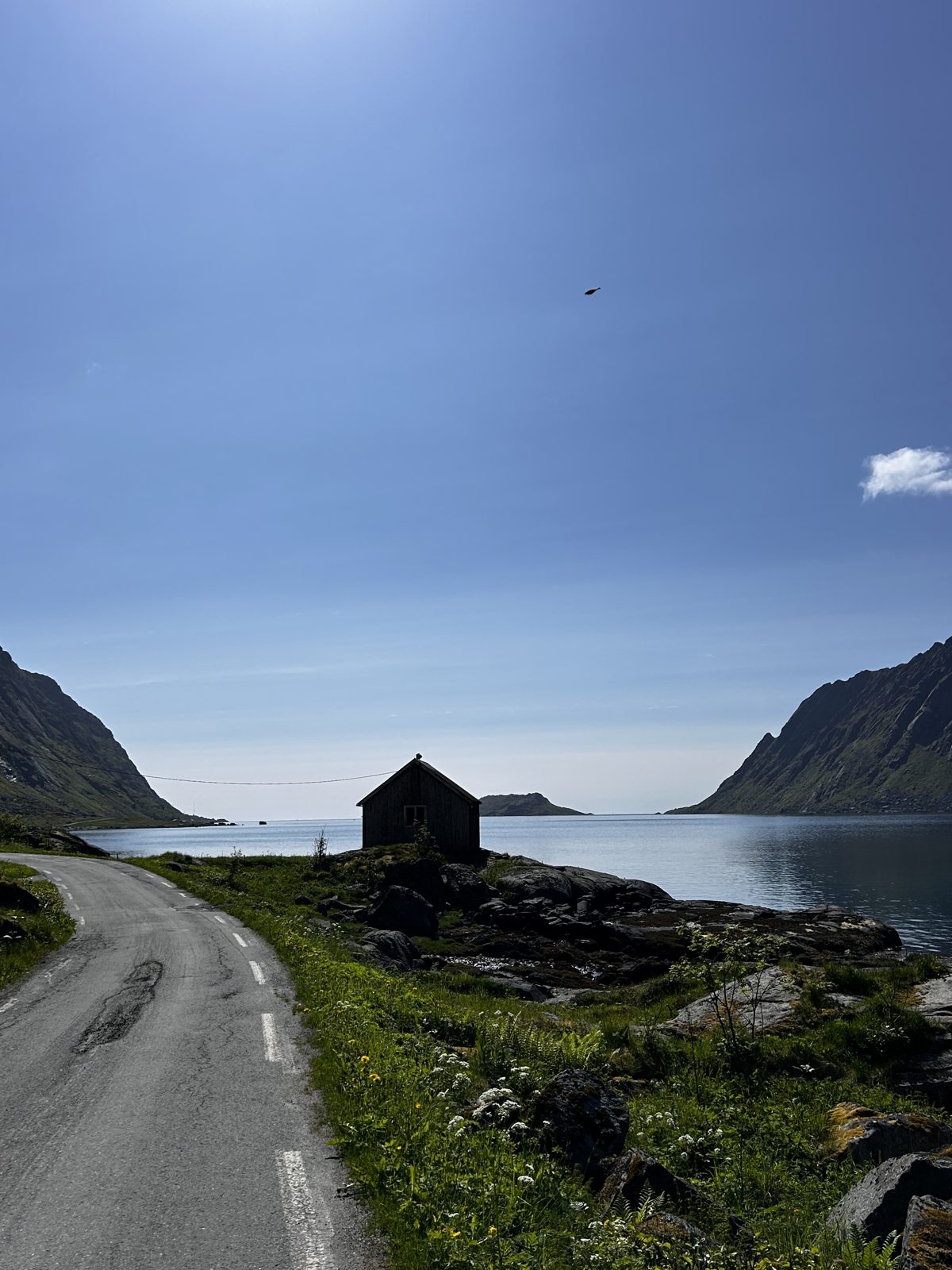
- Summer (June–August): midnight sun from late May to mid-July, long, light nights into September, every trail at its most accessible — and the most visitors, roughly from late June to late August.
- Autumn (September–November): hiking and the first northern lights overlap in September; storm light and empty beaches after.
- Winter (December–March): snow to the tideline, the dark season's blue twilight around midwinter, aurora on clear nights, and the skrei cod season from around January to April.
- Spring (April–May): white peaks over greening valleys, lengthening days, few people.
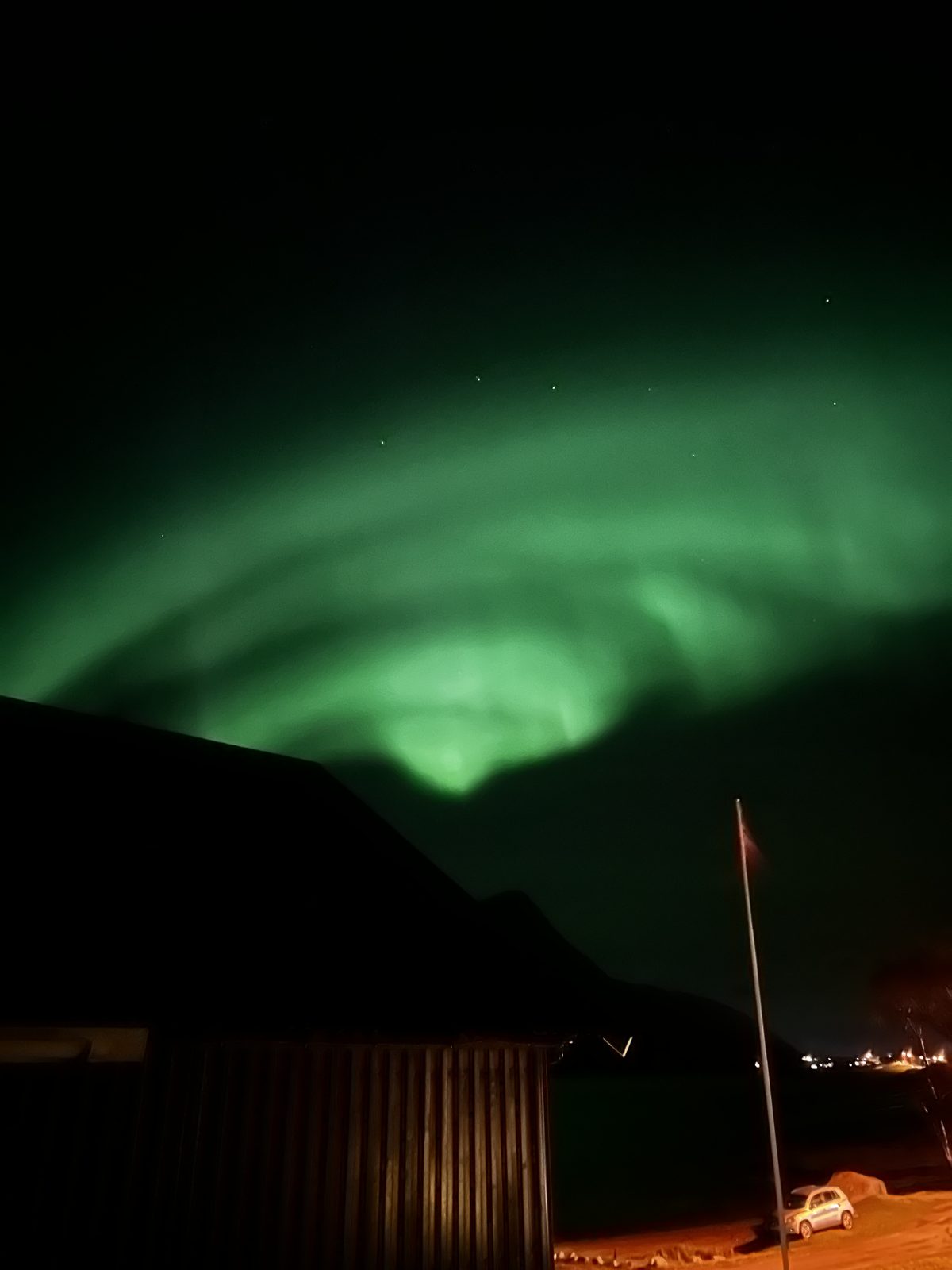
The northern lights season runs from mid-September to early April. The honest rule: choose the season for what it is, not for a highlight reel that mixes all four.
→ Full guide: Best Time to Visit Lofoten
Step 2 — Decide how many days
Our rules of thumb, unchanged for years:
- 3–4 days is the absolute minimum — enough for the famous pictures, not much more.
- 5–7 days is enough to do the west of Lofoten properly — the mountains, beaches and villages most people come for.
- Longer is never wasted here. Most visitors take three or four flights to reach these islands; stay as long as you can justify, and come back for a different season rather than cramming two into one.
Budget your days honestly: one to two experiences per day is the pace this landscape rewards, and the last leg from Oslo alone often takes half a day at each end.
→ Full guide: How Many Days Do You Need in Lofoten?
Step 3 — Choose where you stay before you buy flights
This is the step most people get backwards, and it is the most expensive mistake in Lofoten planning.
The islands are 150+ km end to end on a mostly narrow road, so where you sleep decides what your trip is. Base in the east and the western highlights — Reine, the famous beaches, the big hikes — become long day trips. Base in the west and they are minutes away. Distances that look trivial on a map are not: driving here is slow, beautiful and full of stops.
Two more reasons this step comes first:
- The best places go first — in every season. Accommodation is the scarcest resource on these islands, far scarcer than flight seats. If you find the right base available for your dates, secure it, then build travel around it. And keep the cost in perspective: the accommodation is usually a fraction of what the whole journey from your home country costs — the base is the wrong place to economise your trip into mediocrity.
- What the accommodation offers changes everything downstream — what you pack, whether an electric rental car is effortless, how good the northern lights nights are. Check the practical details before you commit, not after.
Did you know? — from Casa Lofoten
This step is our own story: we spent two years looking for the spot with exactly this balance — in the west of Lofoten, set back from the E10 in its own quiet fjord, yet minutes from the Ramberg shop, with Reine, Nusfjord and the western beaches 5–45 minutes away and a mountain trailhead within walking distance of the door. → Why we believe it's the best base
→ Full guides: Where Should You Stay in Lofoten? · What to Look For in Your Lofoten Accommodation
Step 4 — Book your travel
With the base fixed, the travel usually chooses itself:
- Standard route: fly to Bodø, then the small Widerøe plane to Leknes — in the middle of the islands, 30–40 minutes from the west. The plane has only 39 seats and often fills; check availability on this leg before you lock in the long-haul flights.
- Budget route: the Bodø–Moskenes car ferry (about 3¼ hours) saves money and costs time; pre-book the car deck in summer. Note that Moskenes has no car hire and no taxi rank — the ferry works best with your own car on board.
- 7+ days: consider flying into Evenes (direct routes from Oslo and some European cities) and travelling the whole archipelago westward — about 4 hours' drive to the west of Lofoten. Flying in one way and out another («open jaw») is often possible.
- In winter, consider a single connected ticket from your starting point: if weather delays a leg, the airline rebooks you. It costs a little more and is worth it most in the storm-prone months.
→ Full guide: How to Get to Lofoten
Step 5 — Sort the car
The short version: rent the car. Buses exist but are sparse, the sights are spread along the road, and the freedom to move with the weather is worth more here than almost anywhere. An electric car works fine — charging is easiest if your accommodation has its own charger (ask before booking), and fast chargers are concentrated in Leknes and Svolvær. In winter, rental cars come equipped for the season; winter driving on these narrow roads is different from summer driving, and we cover it honestly in the driving guide.
→ Full guide: Do You Need a Car in Lofoten?
Step 6 — Plan your days as a list, not a timetable
Here is the planning habit that separates good Lofoten trips from frustrating ones: do not fix activities to dates. The weather decides the order of a Lofoten week; you just decide the menu.
Build a list of what you want — a couple of mountains, the beaches, Reine and the villages, a boat day — plus two or three indoor or low-weather alternatives. Each morning, check the forecast over breakfast and pick the best match from the list. A clear evening means the viewpoint hike happens tonight, not on the Thursday you guessed three weeks ago. Remember the local saying: there is no bad weather, only bad clothing — but there are wrong activities for the day's weather, and the list method fixes that.
Our itineraries are built exactly this way — as day-shapes you reorder, not schedules you obey.
→ Full guides: Best Hikes in Lofoten · The Best Beaches in Lofoten · 5-Day Itinerary · A Week or More
Step 7 — Pack for layers, not forecasts
One list covers the whole year here: wool innermost, wind layer outermost, waterproof boots, a swimsuit you will thank yourself for, and a headlamp outside the midnight sun weeks. Each season adds a few specifics — a sleep mask in summer, microspikes in winter.
→ Full guide: What to Pack for Lofoten
Step 8 — The final week: five quick checks
- Weather rhythm: start following the forecast on yr.no a few days out — not to worry, but to start thinking in the list-not-timetable way.
- Northern lights trips (mid-September to early April): check the aurora forecast alongside the weather, and plan your dark-sky spot near where you stay.
- Roadworks and tunnels: check current traffic information for the E10 — see the note below.
- Boats and restaurants: anything with limited seats — fjord boats, popular restaurant tables — is worth booking ahead in summer.
- Confirm the practical details with your accommodation: arrival instructions, charger, sauna, what is stocked — so day one is a holiday, not an errand.
Temporary: the Nappstraumen tunnel works (until December 2027)
The undersea Nappstraumtunnelen — the E10’s only link between Leknes and the west of Lofoten — is being upgraded through the end of 2027. During work periods, daytime traffic passes in convoys behind a lead car, and the tunnel closes at night (roughly 23:00–06:00) with only limited let-throughs; queues can add up to an hour. The works pause around Christmas and for a period each summer. Check current convoy and closing times in the Statens vegvesen traffic app when you plan late or early drives.
The whole plan on one page
- Season → what trip is this?
- Days → 5–7 for the west; never fewer than 3–4.
- Base first — the best places go first, and the base decides the trip.
- Travel → Bodø–Leknes standard; check the 39-seat leg early.
- Car → rent it; electric is fine.
- Days as a list, not a timetable.
- Pack layers; wool innermost.
- Final-week checks: weather, aurora, tunnel, boats, arrival details.
Follow the order, and the trip largely plans itself. Skip step 3, and every later step gets harder.
Frequently asked questions
What is the single most common planning mistake?
Buying flights before choosing where to stay — closely followed by too little time and too tight a program. The base decides the trip; book it first.
Should we split the stay between two bases?
On a week or less in the west, we honestly think one base beats two: packing, moving and re-settling costs you the better part of a day, and from a well-placed base the west is all within easy reach. Two bases start making sense on longer trips that also cover the east.
How far in advance should we book?
Accommodation: as early as you can — the best places go first in every season, and summer especially. Flights: once the base is secured. Everything else — cars, boats — comfortably after that.
Can we plan a Lofoten trip without a car?
It is possible with patience and the sparse buses, but we would not recommend building a first trip that way. See the car guide for the honest picture.
Do we need to book restaurants and activities in advance?
In high summer, the popular restaurants and boat trips, yes. Outside the peak, you can mostly decide day by day — which suits the list-not-timetable method perfectly.
When should we start checking the weather?
For planning moods: a few days ahead. For decisions: the morning itself. Forecasts here are good at rhythms and bad at specifics — which is exactly why the list method works.
Base first, then flights
The order of decisions in this guide is the one that makes every later step easier — and the base is the step we can help with.